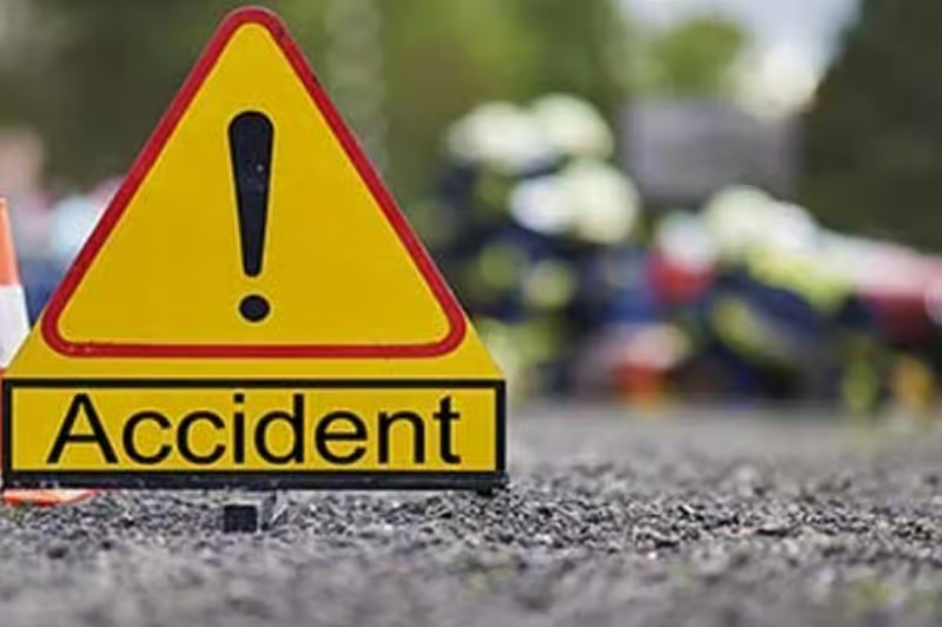
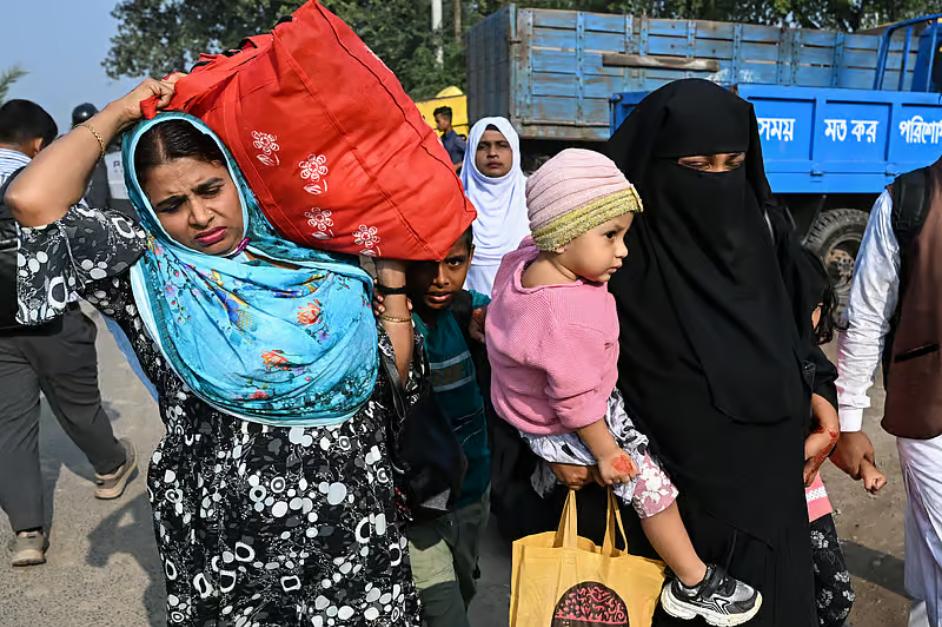
For Indian expat Rabheel, the visa-change trip to Oman was supposed to be a joyous one that signified a new start in life. However, the journey has now become a nightmare that he wishes to forget. The 24-year-old was one of the 40 passengers of the bus that was involved in an accident in Ras Al Khaimah on Tuesday, killing 13 people and injuring 26 people.
“I still cannot sleep,” he told Khaleej Times. “Every time I close my eyes, I see scenes from the bus immediately after the accident. So many were gravely injured. I am trying not to think about it.”
Hailing from the southern Indian state of Kerala, Rabheel had arrived in Dubai to visit his father and friends, when he unexpectedly landed a job. “I used to work here until.
Nearly 40 per cent of workers’ current skills could change by 2030 as artificial intelligence (AI) reshapes the workplace, prompting UAE education experts to call on schools to rethink how students are prepared for future careers.
With technology transforming professions, creating new career pathways and changing the value of existing skills, experts say preparing students for the jobs of tomorrow must go beyond academic achievement and traditional career guidance.
Dr John Sweeney, Future Foresight and Education Expert at the Knowledge and Human Development Authority (KHDA), said the scale of the anticipated transformation calls for a fundamental rethink of how schools approach skills development and career preparation.
“For me, what's quite striking that almost 40.
Companies in UAE operating commercial vehicle fleets are reinforcing road safety practices, monitoring drivers’ working hours and conducting regular vehicle inspections as two fatal road accidents involving heavy vehicles in Fujairah and Ras Al Khaimah have renewed concerns over truck safety.
While some companies have strengthened their focus on responsible driving following recent accidents, others are relying on long-standing safety protocols, including technology that tracks driver fatigue, speeding and harsh braking.
Zainudeen PB, Group COO and Executive Director of Hotpack, a UAE-based manufacturing company operating a fleet of 400 commercial vehicles, said the company has reinforced its focus on responsible driving practices in light of recent road accidents.
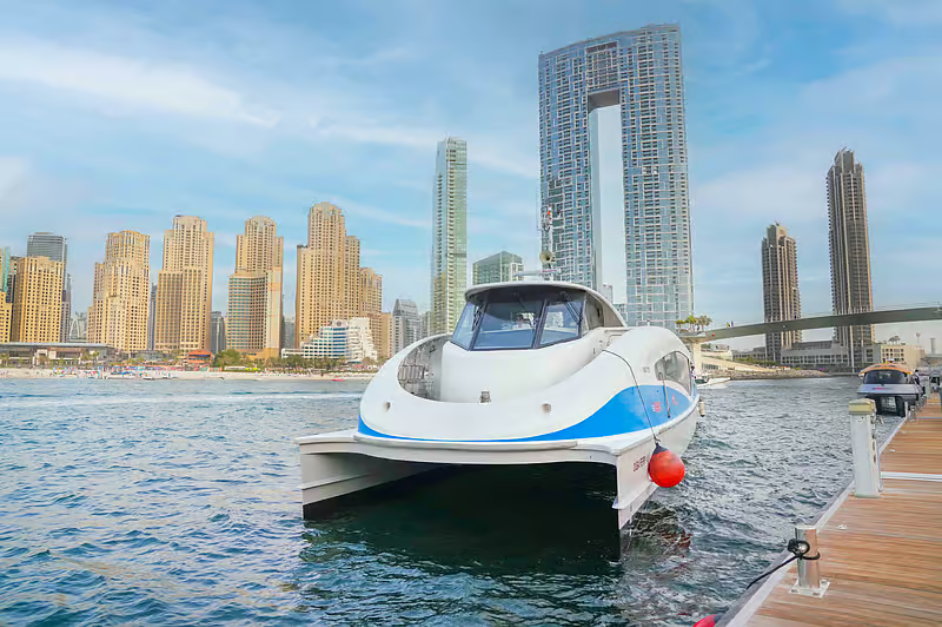
Dubai's marine transport network is set for a data-driven upgrade as the Roads and Transport Authority (RTA) rolls out an enhanced Seasonal Network initiative powered by artificial intelligence and predictive analytics. The move is designed to improve service flexibility and respond more efficiently to fluctuating passenger demand during peak seasons, public holidays and major events across the emirate.The summer operating plan, effective in July, is built on an integrated big-data repository tracking passenger numbers, revenue, and occupancy rates. Officials say the system sharpens forecasting accuracy and supports more responsive operational decisions as usage patterns shift throughout the year.
How the AI-led model works?
At the centre of the initiative is an AI-led model.
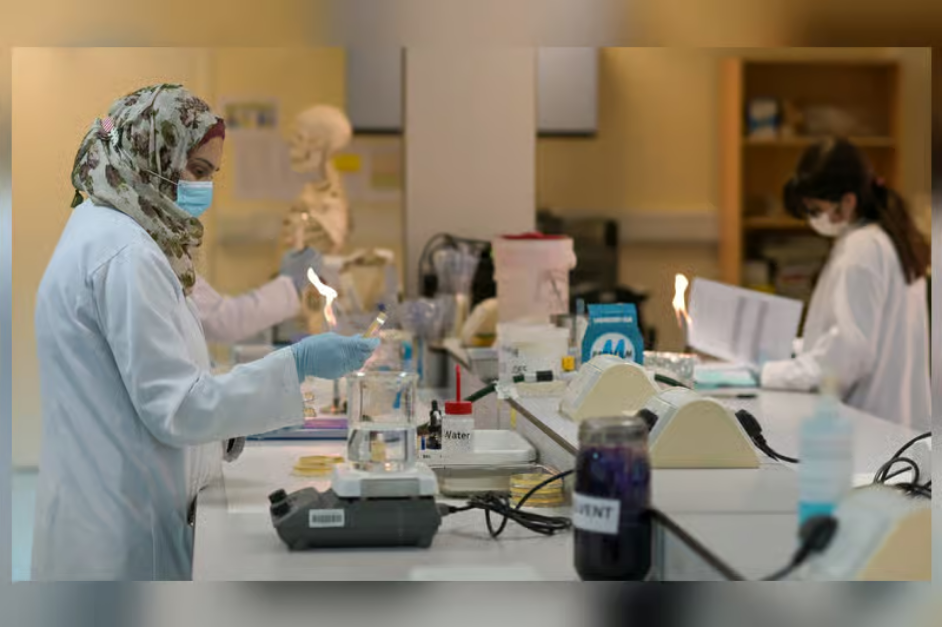
UAE researchers are developing an experimental way to deliver chemotherapy directly to breast tumours, using tiny capsules that recognise cancer cells and release their drug payload when exposed to ultrasound.
The approach, being developed by a team at the American University of Sharjah (AUS), is designed to concentrate chemotherapy at the tumour site while limiting the amount of the drug reaching healthy parts of the body, potentially reducing some of the side effects associated with conventional treatment.
The team has secured its third US patent for the technology, with the latest patent covering capsules designed to recognise a protein found on some breast cancer cells that could not be targeted by the team's earlier version.
For the past 10 days, Dubai resident Roopa has been struggling with a cough that refuses to go away. She has already visited a doctor, who told her it was a viral infection and advised her to wear a mask and take regular medicines. Yet, the coughing continues
For Samad Alim, a sales executive working at a mall in Dubai, it has been seven days of coughing. After consulting a doctor, he was diagnosed with the flu.
Alim travels by Dubai Metro and spends much of his day around people, both at work and outdoors. His experience is an example of how respiratory illness can affect residents going about their daily routines.
But why does coughing sometimes continue even after other symptoms improve? And can something as simple as air conditioning, dust or talking make it worse? Doctors.
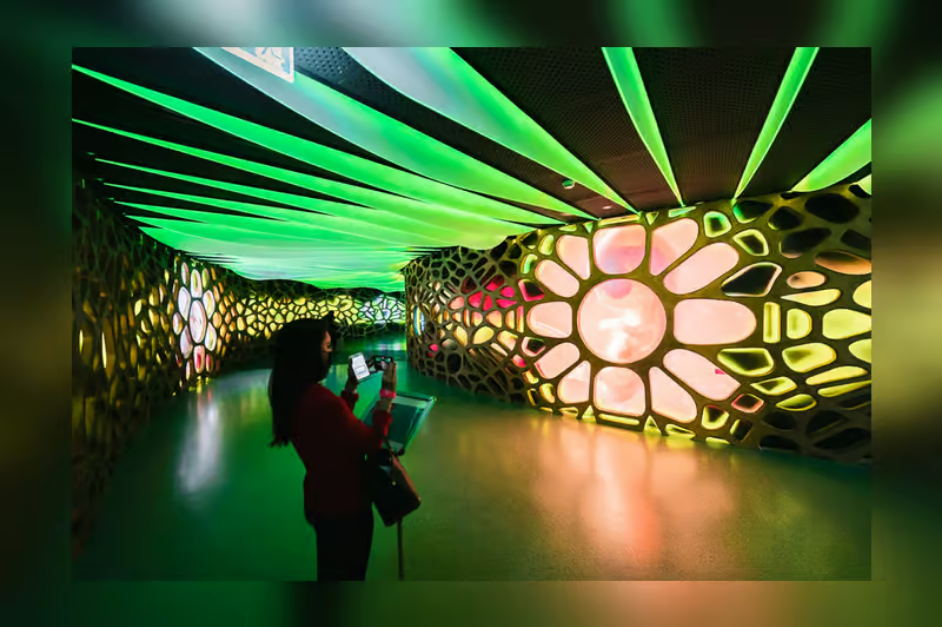
Imagine walking into a school, hospital or office building that can detect harmful viruses in the air and automatically respond before they make people sick. This could become a reality in the not-too-distant future, according to a scientist who believes buildings themselves could be equipped with an immune system
The idea was presented by Jessica Green, a scientist and engineer researching the relationship between microbes, human health and the built environment, during a TED Talk at Dubai Future Week 2026
Her vision of an ‘immune system for buildings’ could have significant implications for the UAE, where residents spend considerable time in enclosed, air-conditioned environments, from homes and offices to schools, hospitals and shopping centres.
Dubai Future.